The Surprising Health Benefits of Donating Blood
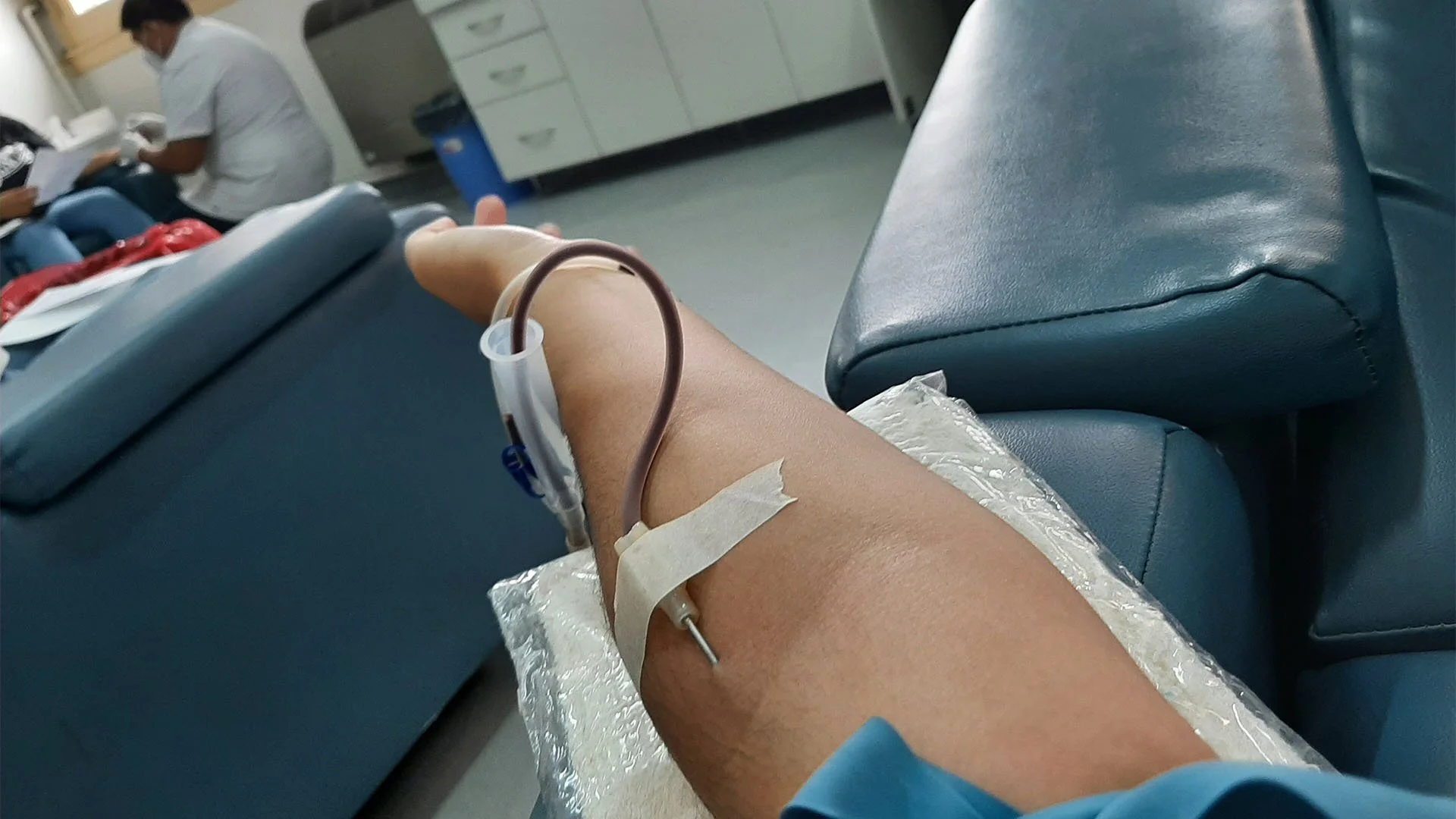
A picture of a donor giving blood. By Noesedeno - Own work, CC BY-SA 4.0, https://commons.wikimedia.org/w/index.php?curid=152483203
We all know that giving blood can save lives (1). In fact, a single donation can help up to three people by separating it into red cells, plasma, and platelets. These components are vital for trauma victims, cancer patients, surgical procedures, and even complications during childbirth. But what’s less talked about is this: donating blood doesn’t just help others, it can also benefit you!
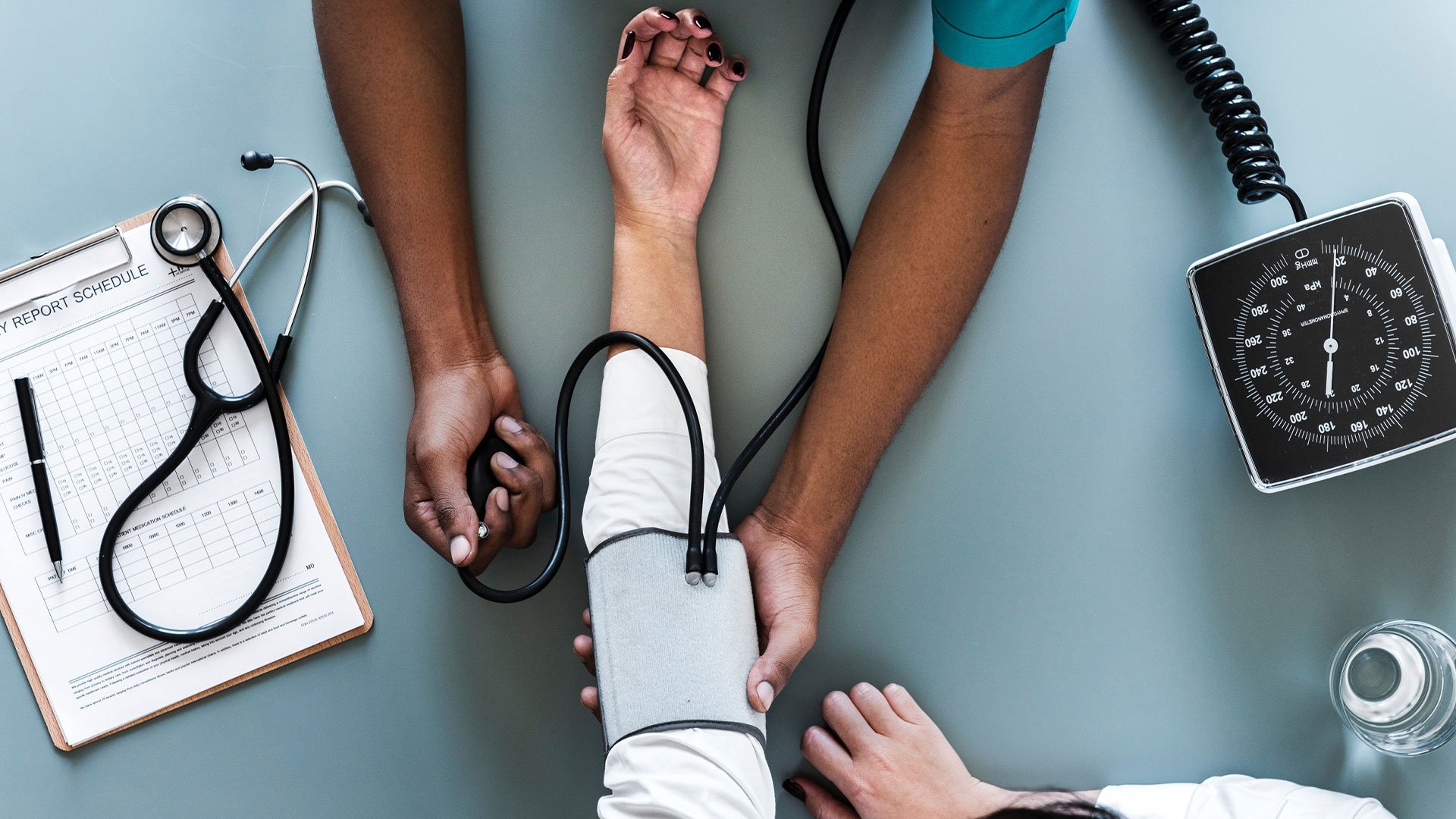
A picture of a doctor checking blood pressure. By rawpixel.com - http://allfreephotos.net/, CC0, https://commons.wikimedia.org/w/index.php?curid=79966238
Free Health Screening
Before you even donate, you’ll go through a quick health check. This includes your blood pressure, haemoglobin levels, and iron levels. These simple tests that can give you a useful snapshot of your overall health. First-time donors are also screened for blood-borne infections like HIV, hepatitis B, and hepatitis C.
Interestingly, one large study (2) of around 41,790 donors found that 3.79% tested positive for at least one infection marker. Other research shows similar trends, especially among first-time donors. It’s not a replacement for a GP check-up, but it’s a valuable extra layer of awareness you get for free.
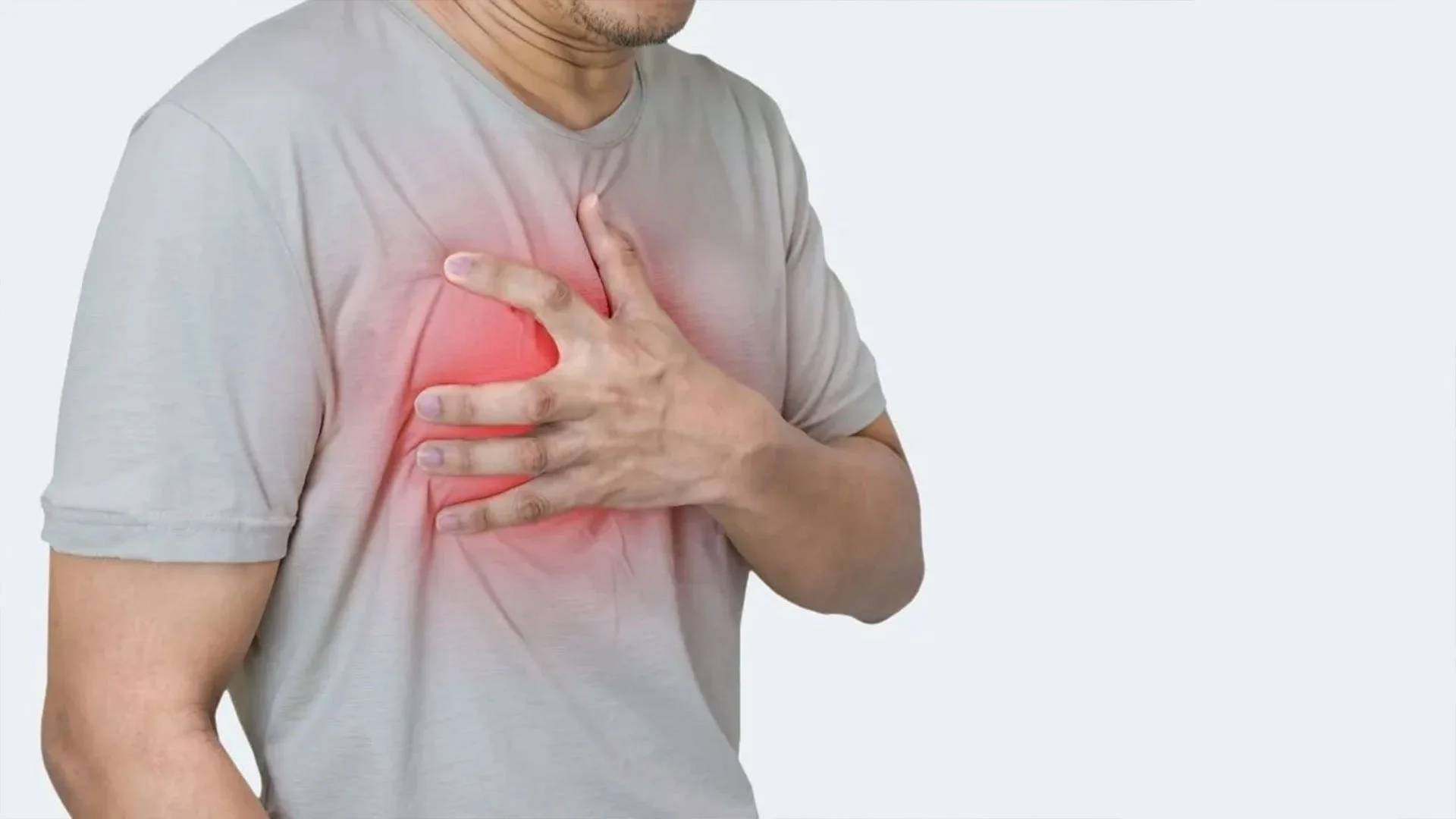
An illustrative picture showing chest pain. Attribution-NonCommercial 4.0 International https://creativecommons.org/licenses/by-nc/4.0/
Potentially Reduce Heart Attacks by 88%
One striking study published in the American Journal of Epidemiology (3) found that middle-aged men who donated blood regularly had an 88% lower risk of heart attacks compared to non-donors.
The theory? Iron. While essential, too much iron in the body may contribute to oxidative stress and cardiovascular issues. Donating blood helps reduce iron levels, which could explain the link.
That said, it’s worth keeping your feet on the ground, this was an observational study, meaning donors may already be healthier than average. Still, it’s an intriguing finding that continues to be explored.
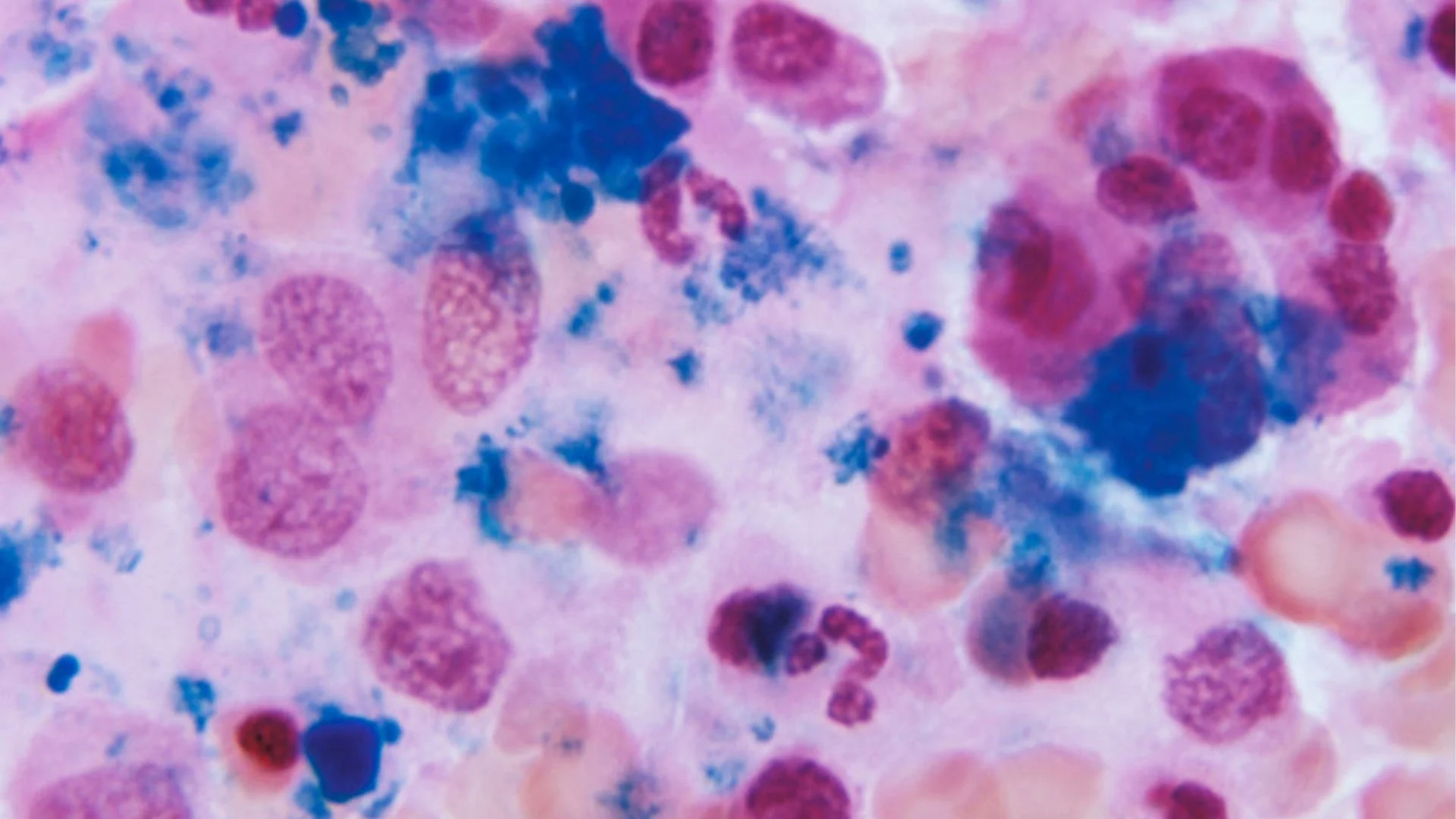
Bone marrow cells under a microscope. By Dr. Gordon D. McLaren - https://phil.cdc.gov/details_linked.aspx?pid=2657, Public Domain, https://commons.wikimedia.org/w/index.php?curid=99102266
Stimulates Blood Cell Production
Every time you donate blood, your body gets to work replacing what’s been lost. This stimulates the production of new red blood cells (4) and supports healthy circulation.
Think of it as a gentle “reset” for your system. Your body adapts by producing fresh cells, helping maintain efficient blood function over time.
Interestingly, tech entrepreneur Bryan Johnson has spent millions on experimental plasma therapies designed to rejuvenate his body by refreshing his blood. While those treatments are expensive and still debated, donating blood offers a simple, safe, and completely free way to activate similar natural renewal processes, no high-tech clinic required.

A picture of outreached palms with a flower. Attribution-NonCommercial 4.0 International https://creativecommons.org/licenses/by-nc/4.0/
Psychological and Emotional Benefits
Donating blood isn’t just good for your body, it can boost your mood too (5). Knowing that your donation could help save someone’s life creates a strong sense of purpose and fulfilment.
Acts of generosity like this are closely linked to increased happiness and a deeper sense of connection with others. It’s a small action, but one that can leave you feeling genuinely good afterwards.
For many people, donating becomes more than a one-off, it turns into a habit that supports both their community and their own emotional well-being.
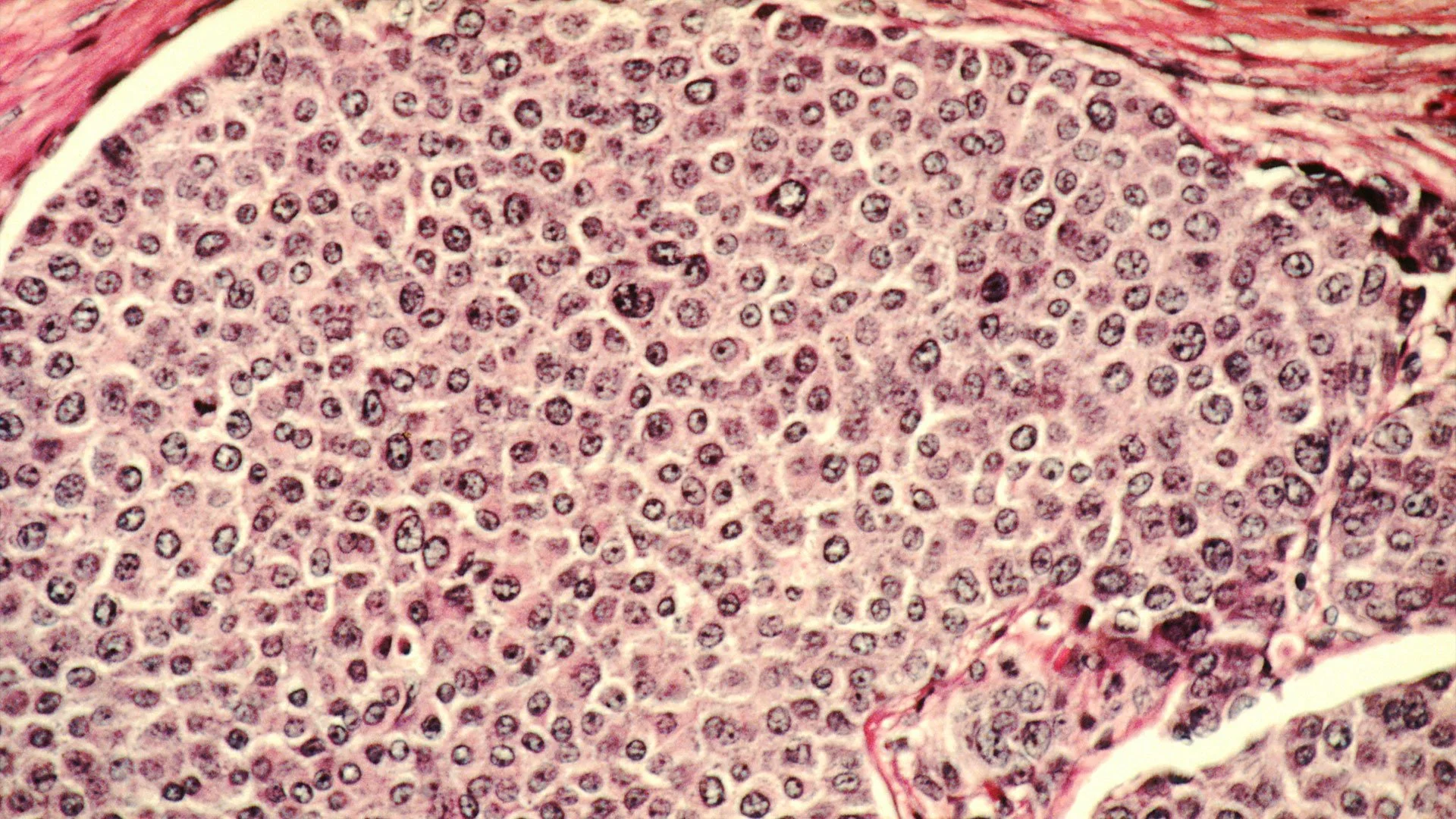
Cancer cells under a microscope. By Dr. Cecil Fox (Photographer) - This image was released by the National Cancer Institute, an agency part of the National Institutes of Health, with the ID 2288 (image) (next)., Public Domain, https://commons.wikimedia.org/w/index.php?curid=24056830
Potentially Reduce Cancer Risk by 30%
There’s even some evidence suggesting blood donation could play a role in reducing cancer risk. Research published in the Journal of the National Cancer Institute (6) found that lowering iron levels in the body, such as through regular blood donation, was associated with a 30–37% reduction in overall cancer risk.
The reason again comes back to iron. While your body needs it, excess iron can contribute to oxidative stress and cell damage, both of which are linked to cancer development.
By helping regulate iron levels, blood donation may create a less favourable environment for these processes. That said, researchers are clear: this is promising, but not definitive. More long-term studies are needed.
Sources
NHS Blood and Transplant – https://www.nhsbt.nhs.uk/
The impact of pre-donation viral markers screening of new blood donors on blood safety – https://www.sciencedirect.com/science/article/abs/pii/S1246782023000940
Donation of blood is associated with reduced risk of myocardial infarction: The Kuopio Ischaemic Heart Disease Risk Factor Study – https://academic.oup.com/aje/article-abstract/148/5/445/76921
A cross-sectional study of blood donors' psychological characteristics over 8 weeks – https://pmc.ncbi.nlm.nih.gov/articles/PMC9082199/
Decreased cancer risk after iron reduction in patients with peripheral arterial disease: Results from a randomised trial – https://academic.oup.com/jnci/article-abstract/100/14/996/917996